Progressive Architecture Concepts: Exploring the Value of Skilled Architecture Services
Innovative architectural concepts serve a critical function in shaping modern environments. By championing environmental responsibility and practicality, urban planners can build settings that address local requirements. The integration of eco-conscious resources and smart solutions boosts sustainable outcomes while promoting meaningful connections. As these innovations progress, they align with human-centered needs and honor community identity. The question remains: in what ways do these factors combine to revolutionize our metropolitan spaces and elevate human well-being?
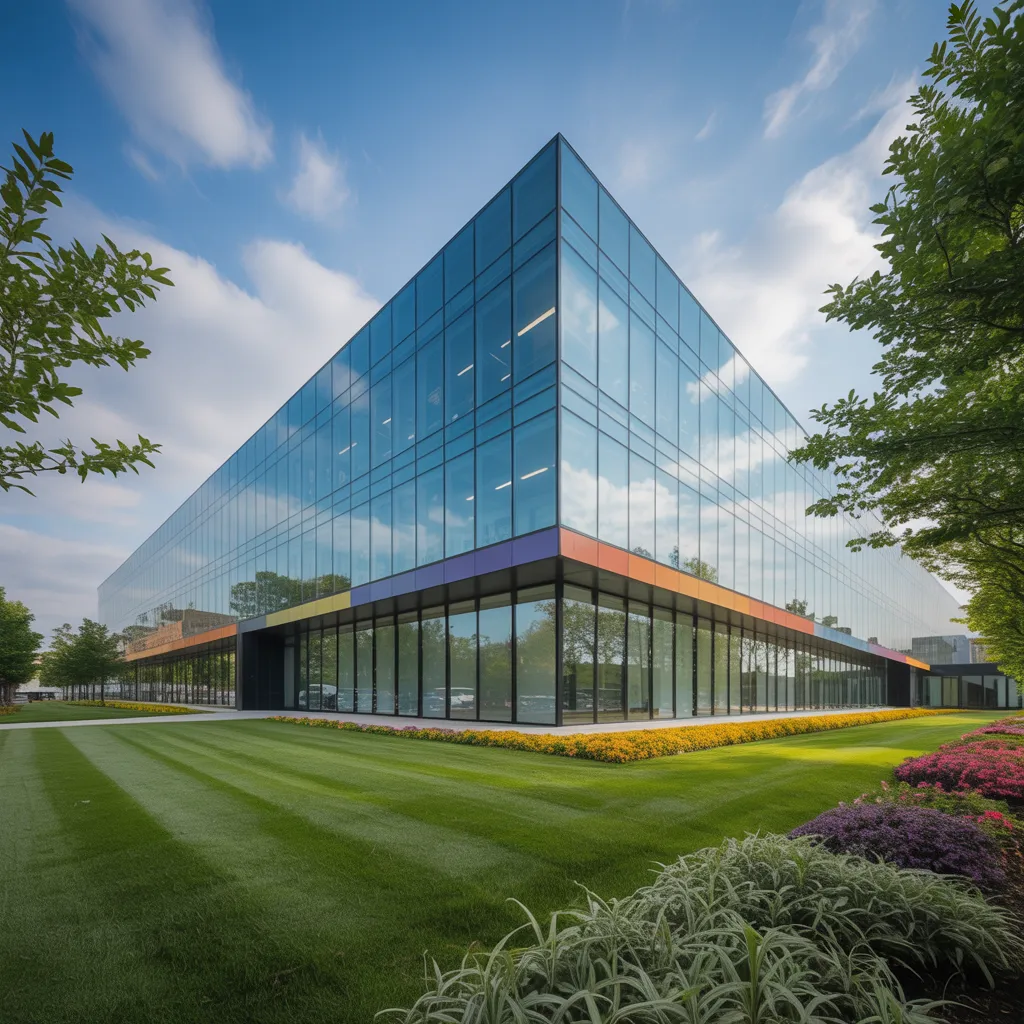
How Architects Contribute to Building Sustainable Spaces
Architects serve a crucial role in the shaping of eco-friendly environments, substantially affecting the environmental outcome of architectural landscapes. Their expertise allows for the inclusion of environmentally responsible materials, sustainable energy systems, and progressive design concepts that reduce resource use. Through a focus on sustainability, architects are able to develop structures that minimize greenhouse gas output and strengthen overall energy effectiveness.
Cooperation with engineers and environmental specialists is of paramount importance in this process, making certain that designs meet both aesthetic and functional criteria while maintaining eco-friendly standards. Moreover, architects consider the surrounding ecosystem, encouraging biodiversity and integrating natural features that encourage a balanced connection between man-made structures and the natural world.
With careful consideration, architects promote the use of sustainable energy options, such as solar panels or wind turbines, which also supports environmental goals. In the end, their role extends beyond mere construction; architects shape the future of urban landscapes by cultivating a dedication to sustainable practices and conscientious planning.
Top Innovations in Architectural Design That Enhance Functionality
Many advancements in building design are transforming the way modern spaces function. One significant breakthrough is the integration of smart technology, empowering spaces to adjust to the preferences of their occupants through intelligent lighting, temperature regulation, and security features. This improvement leads to greater energy savings and enhanced occupant comfort.
Moreover, modular construction techniques are gaining traction, enabling faster assembly and greater flexibility in design. These frameworks can be effortlessly reorganized or extended, making them well-suited for diverse purposes.
Biophilic design, which incorporates natural elements into building design, supports well-being and productivity, nurturing a bond between building users and their environment.
Additionally, open-concept floor plans are growing in popularity, providing versatile spaces designed to accommodate multiple activities.
Additionally, eco-friendly materials are being employed not only for their related content sustainability but also for their attractive appearance and resilience, elevating the general efficiency of modern constructions. These innovations collectively contribute to more adaptable and efficient architectural solutions.
The Way Design Brings Communities Together
Architecture holds significant importance in cultivating connections within residential areas, establishing environments that promote engagement as well as communication among community members. Strategically crafted green spaces, public squares, and communal areas serve as essential meeting points, encouraging community interaction and a feeling of community. Structural characteristics such as open layouts and adaptable environments provide opportunities for local activities and programs, enhancing the collective living experience.
In addition, designs that embrace local culture and history establish a unique identity, helping residents feel more connected to their environment. By prioritizing accessibility and inclusivity, architects confirm that all community members, regardless of age or capability, can be involved in community life.
The incorporation of natural features, such as parks and leisure spaces, further enriches the community experience, offering residents a sanctuary and a space for collective recreation. In the end, intentional architectural planning not only defines physical environments but also fosters the connections that unite communities.
Boosting Energy Efficiency Through Expert Architecture
A notable change towards sustainable energy use is transforming the building design landscape, driving the development of innovative solutions that lessen environmental consequences. Skilled architectural expertise serve a vital function in this transformation by embedding eco-friendly approaches into the design process. These architects analyze patterns of energy use and employ high-quality materials, such as superior insulation systems and energy-efficient windows, to decrease climate control requirements.
Furthermore, the inclusion of clean energy technologies, like solar installations and geothermal technologies, not only reduces the need for fossil fuels but also lowers running costs for property owners. Smart building technologies additionally improve building energy efficiency, enabling real-time monitoring and adjustments to energy use.
Through meticulous planning and innovative design, skilled architects design spaces which not only comply with stringent environmental standards but also foster long-term sustainability. This emphasis on energy efficiency ultimately leads to a greener planet and more robust communities, reinforcing the critical role of architecture in tackling climate change.
Impressive Urban Landscape Redesigns
A prime illustration can be found in the rejuvenation of derelict waterfront areas into thriving recreational areas, featuring walking paths, parks, and cultural installations. Such transformations do more than improve the scenery, as they also invigorate surrounding economies by attracting visitors and businesses.
Beyond this, successful urban development considers the distinct attributes of a locality, ensuring that each transformation captures its past and essence. This tailored approach cultivates a spirit of ownership among residents, motivating care for the environment. At its core, successful urban landscape transformations demonstrate the capacity of architecture to redefine city living and contribute to sustainable city living.
Where Is Innovative Architecture Headed?
How might forward-thinking architecture evolve to meet and respond to the shifting needs of modern society? As cities become progressively more complex, architects are called upon to confront significant challenges like sustainability, affordability, and social equity. Cutting-edge technologies, such as artificial intelligence and advanced materials, present fresh opportunities for design, facilitating more streamlined construction methods and improved energy efficiency.
In addition, architects are progressively collaborating with various stakeholders, from local residents to environmental specialists, making sure designs capture the values and needs of the people they serve. This collaborative method promotes resilience, allowing structures to adapt to changing climate conditions and societal demands.
Furthermore, the incorporation of principles of biophilic design supports wellness, linking residents to the natural world. As the architectural profession progresses, the pursuit of creative solutions will remain a top priority, inspiring the field to design environments that are as functional as they are transformative for coming generations.
Answers to Your Most Common Questions
How Do Architects and Engineers Collaborate on Projects?
Architects partner with engineers by combining design principles with technical specifications, maintaining structural stability and operational efficiency. Frequent meetings enhance communication, allowing both disciplines to address challenges and enhance project outcomes through shared expertise and innovative solutions.
What Are the Costs Associated With Hiring an Architect?
The fees related to employing an architect generally encompass design costs, project oversight fees, and possible extra charges for on-site visits or consultations. These fees can fluctuate substantially according to the scope of the project and geographical location.
What Is the Typical Duration of the Architectural Design Process?
The architecture design workflow usually spans a few months, based on the complexity of the project and client needs. Considerations like permits, revisions, and contractor coordination can further impact the total project duration, commonly adding considerable time to the process.
Are Architects Able to Assist With Zoning and Permit Applications?
Yes, architects can assist with zoning regulations and permit submissions. Their expertise helps navigate complicated regulatory requirements and establishes adherence to local building codes, making the process more efficient and boosting the prospects of gaining the essential approvals for construction projects.
What Credentials Should I Seek in an Architect?
When choosing an architect, one should prioritize qualifications such as licensing, education, experience in related projects, effective communication abilities, and a portfolio showcasing creativity and problem-solving skills. Specializations may also be relevant depending on project needs.